Keulenhof Vineyard in Elst
The Netherlands
"With a small-scale vineyard, we can manage nearly every step of production in-house."
We first came across Keulenhof Vineyard in 2024 at the Wine Festival of the Low Countries. With the number of Dutch vineyards growing rapidly in recent years, it’s no surprise that new names continue to emerge on the map of Dutch winemaking. To our embarrassment, this one had escaped our radar until then. Now, a year later, it felt like the perfect time to finally visit this Gelderland vineyard in person.

Vineyard between Arnhem and Nijmegen
It’s a cloudy day when we set off, but as we approach Elst, the scenery quickly makes up for the lack of sunshine. We pass wide meadows where storks and grey- and white herons stroll gracefully through the grass, a scene that feels worlds away from city life. We pull over briefly to take it all in before continuing our journey toward Elst.

Keulenhof Vineyard lies in the far east of the Betuwe region, also known as the Overbetuwe, nestled between Arnhem and Nijmegen. The family established a farm here on the western side of Elst at the end of the 19th century. The original farmhouse was even older, as evidenced by the coat of arms dated 1792 still visible on the wall today.

The current farmhouse was built in the 1920s, but it retains its rural charm, framed by two large, traditional barns on either side. Today, this historic property forms the heart of this Dutch vineyard that blends family heritage with modern viticulture.

Fourth generation embraces viticulture in the Betuwe
In 2018, Arjan Stam, representing the fourth generation of the family, planted the first vines on a one-hectare plot, marking the start of a new chapter in the family’s agricultural story. While viticulture was a fresh venture, it wasn’t a completely unexpected one. For many years, the family farm had been known for fruit cultivation, producing cherries, plums, pears, and apples. Transitioning from fruit growing to grape growing was a natural step, supported by years of farming experience and the valuable knowledge shared by Arjan’s uncle and aunt, who had managed the business for decades.

The land that has been in the family for four generations is ideally suited for growing fruit and, more recently, grapes. The Betuwe region, located between the Rhine and Waal rivers in Gelderland, is famous for its fertile soil and long agricultural tradition. The top layer of rich river clay was formed by centuries of flooding, while beneath it lies loess from the Ice Age, packed with minerals that contribute to the soil’s unique character.

As the vines mature, their roots will grow deeper into these mineral-rich layers, gradually influencing the flavor and complexity of the grapes and, ultimately, the wines. This connection between soil, vine, and taste is what gives viticulture its magic.


A conscious choice for PiWi grape varieties
When it comes to starting a vineyard in the Netherlands, choosing the right grape varieties is a crucial step. The Dutch climate brings specific challenges like a relatively short growing season and a higher risk of mold due to humidity. For that reason, many growers, especially those north of the country’s major rivers, opt for so-called PiWi grape varieties.

The term PiWi comes from the German Pilzwiderstandsfähige Reben, which means fungus-resistant vines. These innovative hybrid grape varieties require far less spraying and chemical treatment, making them ideal for sustainable viticulture in cooler climates. Because Keulenhof Vineyard spans just one hectare, most vineyard work can be done by hand and without machines, preserving a natural and environmentally friendly approach.

Our visit in early October coincided with the harvest season, giving us a firsthand look at the process. With the help of a small but dedicated team of volunteers, the Cabernet Cortis grapes were being carefully picked by hand. The Muscaris grapes had already been harvested, but the vineyard was still dotted with beautiful, ripe clusters of Souvignier Gris and Sauvignac. The Sauvignac grape in particular caught our attention. It’s less commonly planted in the Netherlands compared to other PiWi varieties, yet it thrives in the Betuwe’s fertile soils.

Keulenhof Wines from the Betuwe Region
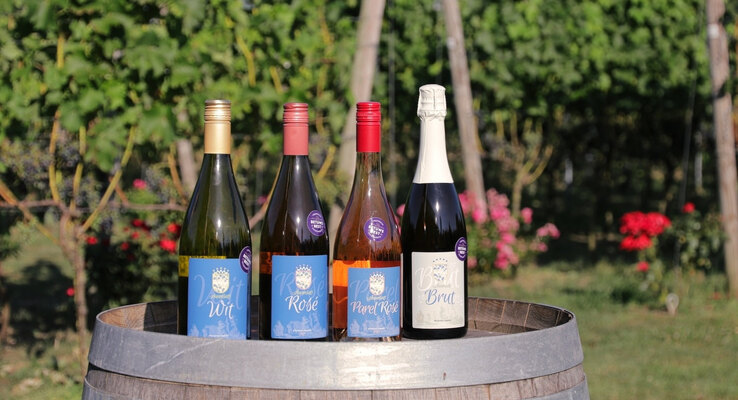
Although Keulenhof Vineyard is still a relatively young vineyard, it already produces an impressive range of Dutch wines. The vineyard’s four PiWi grape varieties form the foundation of its winemaking. All four, including Cabernet Cortis, Muscaris, Souvignier Gris and Sauvignac, are used to craft white and rosé wines.

The red Cabernet Cortis is also used to produce a Blanc de Noir, a white wine made entirely from red grapes. In particularly good years, Keulenhof also creates a limited-production red wine called Brique, made exclusively from Cabernet Cortis.

What truly sets Keulenhof Vineyard apart is its conscious choice for single-varietal wines. Each still wine is made entirely from one grape variety, allowing the characteristics of each PiWi grape to shine through. In addition to still wines, the vineyard also produces a lightly sparkling rosé, aptly named Parel van Elst (Pearl of Elst). This sparkling rosé is a blend of Cabernet Cortis and Muscaris.

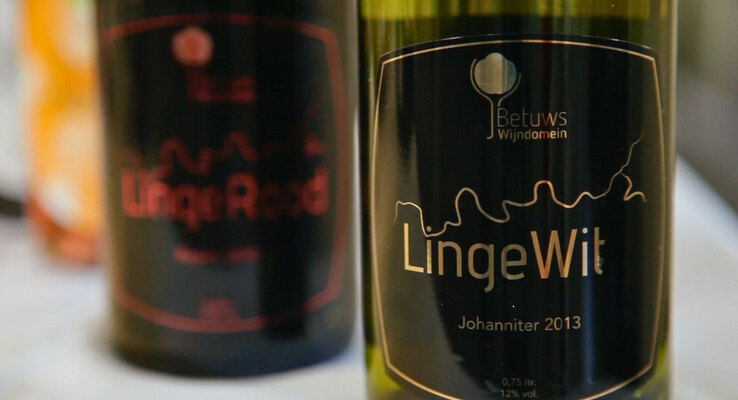
Keulenhof Vineyard belongs to the BOB Rivierenland, a Protected Designation of Origin (PDO) that covers the Betuwe region and part of the Achterhoek. Other wineries within this recognized Dutch wine area include Auansati Vineyard, Betuws Wijndomein Wine Estate, Montferland Winery and De Nieuwe Fontein Vineyard.
Updated: 17-09-2026