
Wijndomein Stokhem winery in IJzeren
The Netherlands
"The marl-rich soil here contributes a characteristic flavour to the grapes and, ultimately, the wine."
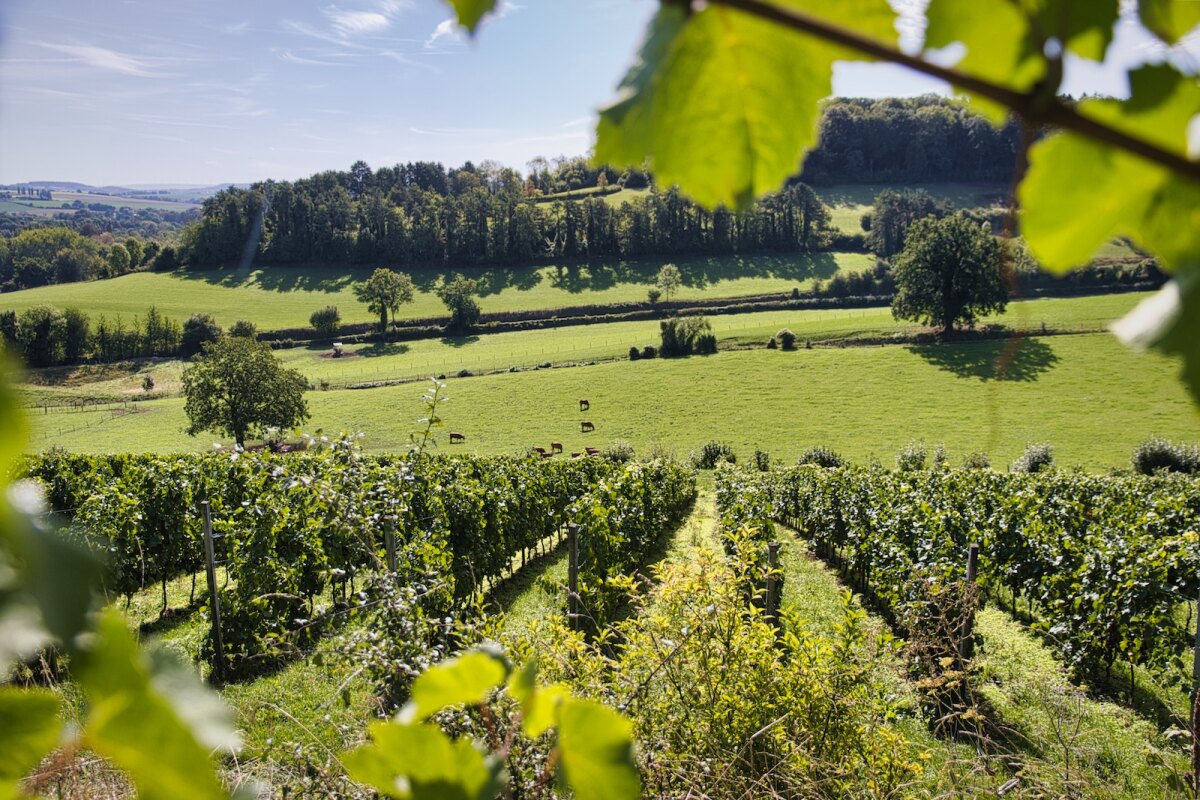
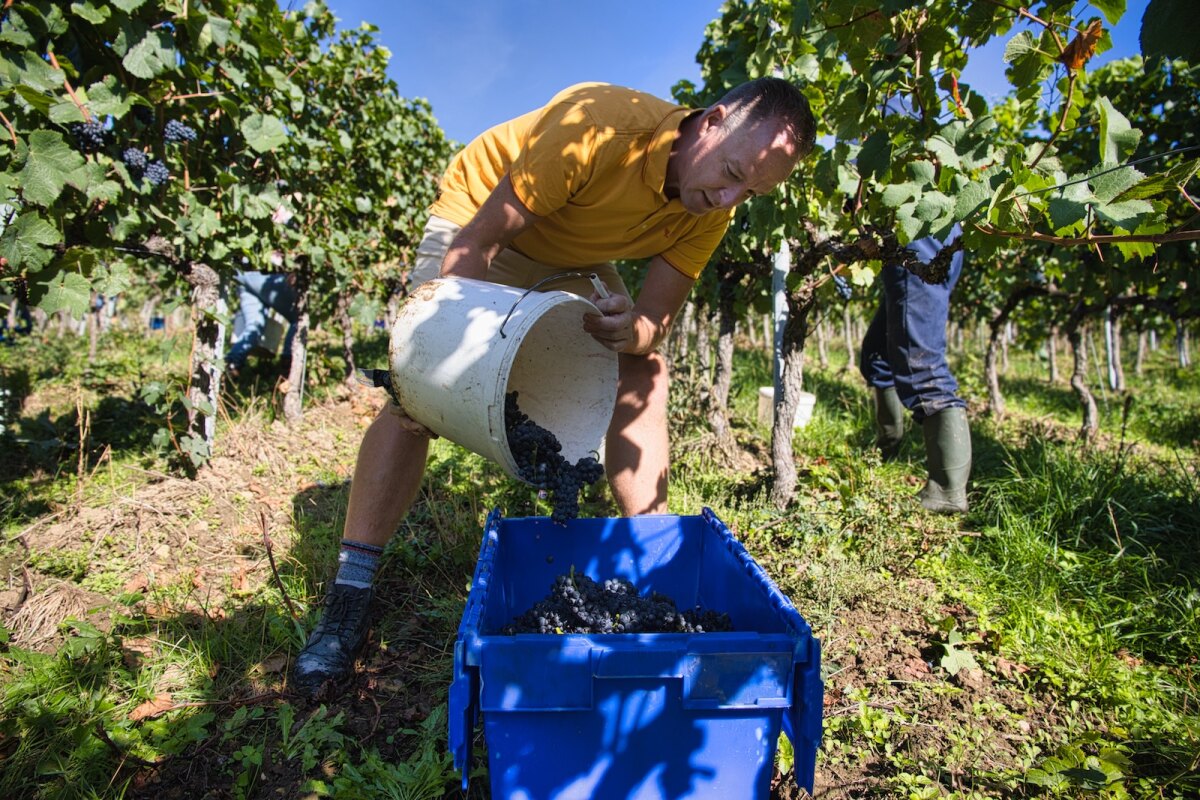
On a beautiful September morning, we set off at 6 am for the southernmost part of the Netherlands: South Limburg, home to the country’s largest concentration of vineyards. Our destination was Wijndomein Stokhem, a Dutch winery where the first grapevines were planted in 2004. Surrounded by the rolling hills of the Limburg countryside, this wine estate is part of a region that has become synonymous with Dutch viticulture.
Pinot Noir in South Limburg: Limburg’s Answer to Burgundy
When the first Pinot Noir vines were planted here, the vineyard was known as Château Gilbert. Its owner at the time, Gijs van Esschoten, had a clear ambition: to produce Limburg red wine in the style of Burgundy. The south-facing vineyard lies on one of South Limburg’s steep hills, where the exposure to sunlight helps create favourable conditions for growing grapes. The slope is also a popular challenge for amateur cyclists, many of whom are probably questioning their life choices before they reach the top!
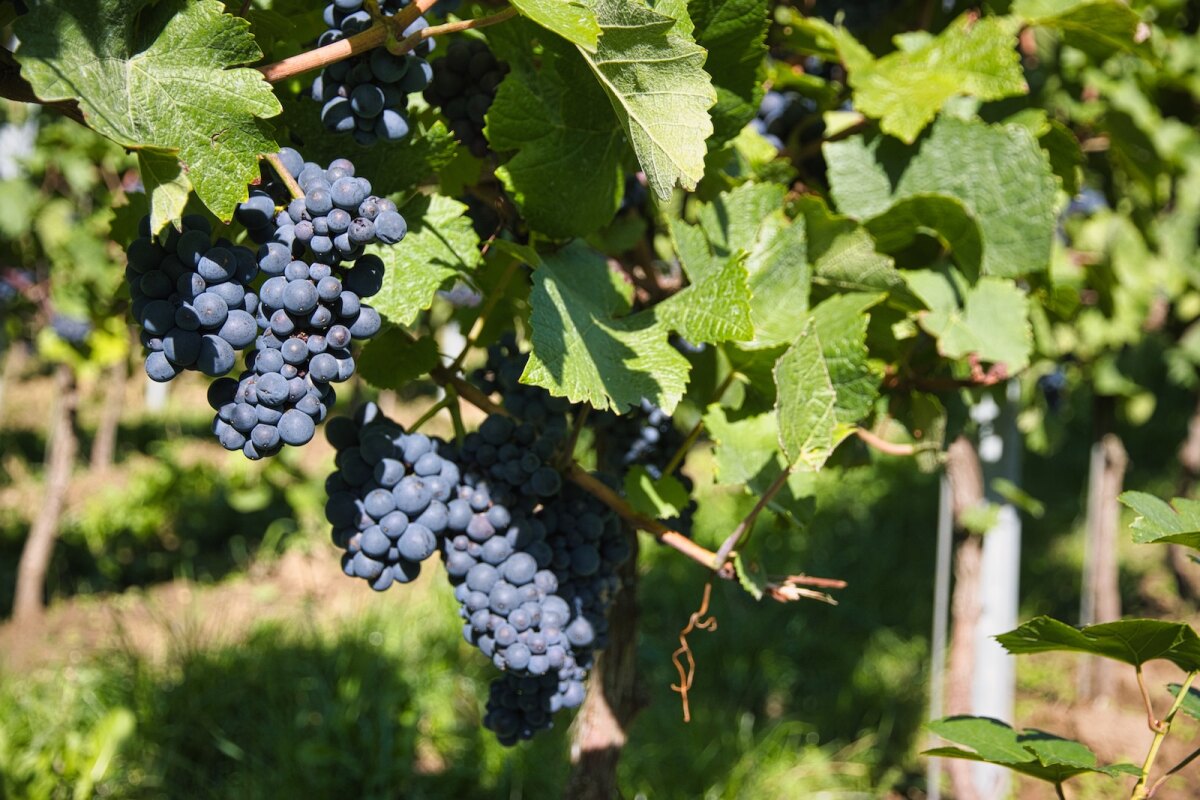
The geology provides another link with Burgundy. The vineyard lies in the Mergelland region, where marl is covered by a layer of loess. Marl is a limestone-rich sedimentary soil, making this part of South Limburg an interesting comparison with Burgundy’s wine-growing areas. Both regions offer conditions in which grape varieties such as Pinot Noir and Chardonnay can thrive, although their soils and local climates are not identical.
From Civil Engineering to Winemaking at Wijndomein Stokhem
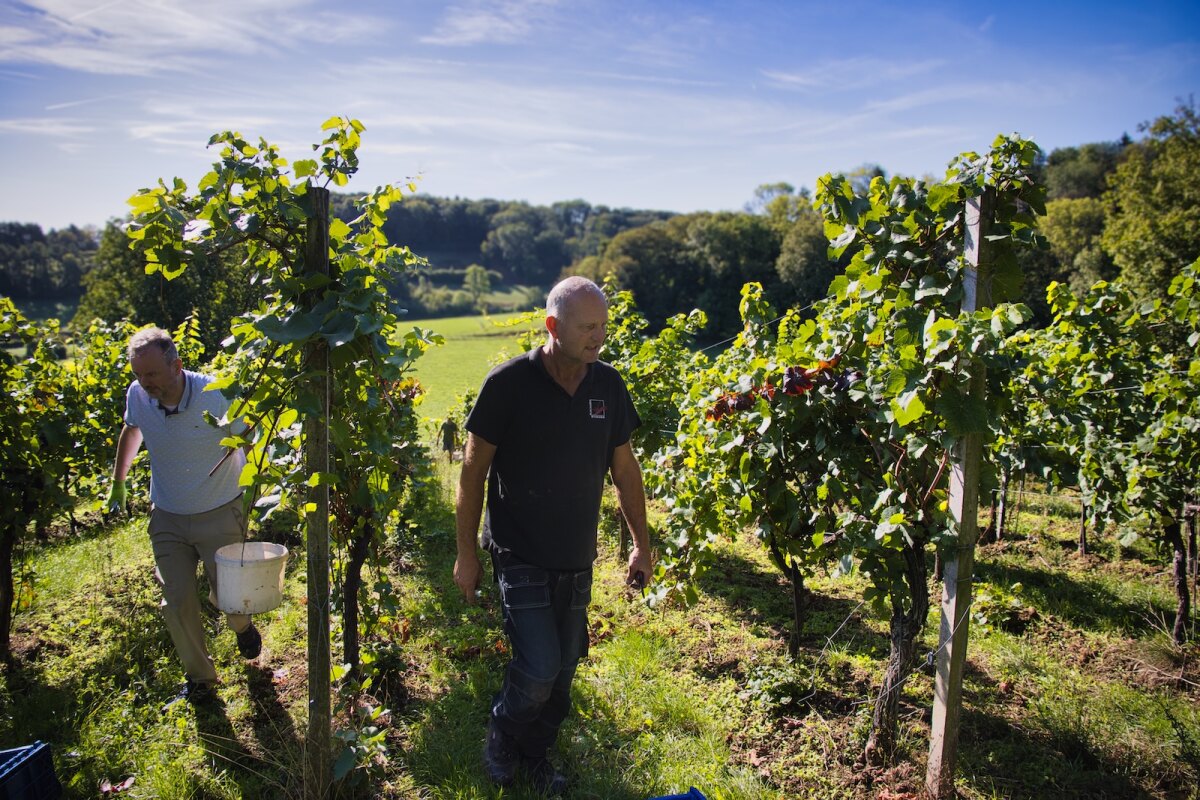
In 2017, Jeroen van der Eng took over Wijndomein Stokhem, bringing a new perspective to this South Limburg vineyard. With a background in civil engineering and years of experience at a major Dutch dredging company, he was embarking on a very different career. But his interest in winegrowing had begun much earlier. During his student years, he had picked grapes in France’s Beaujolais region, an experience that left a lasting impression.
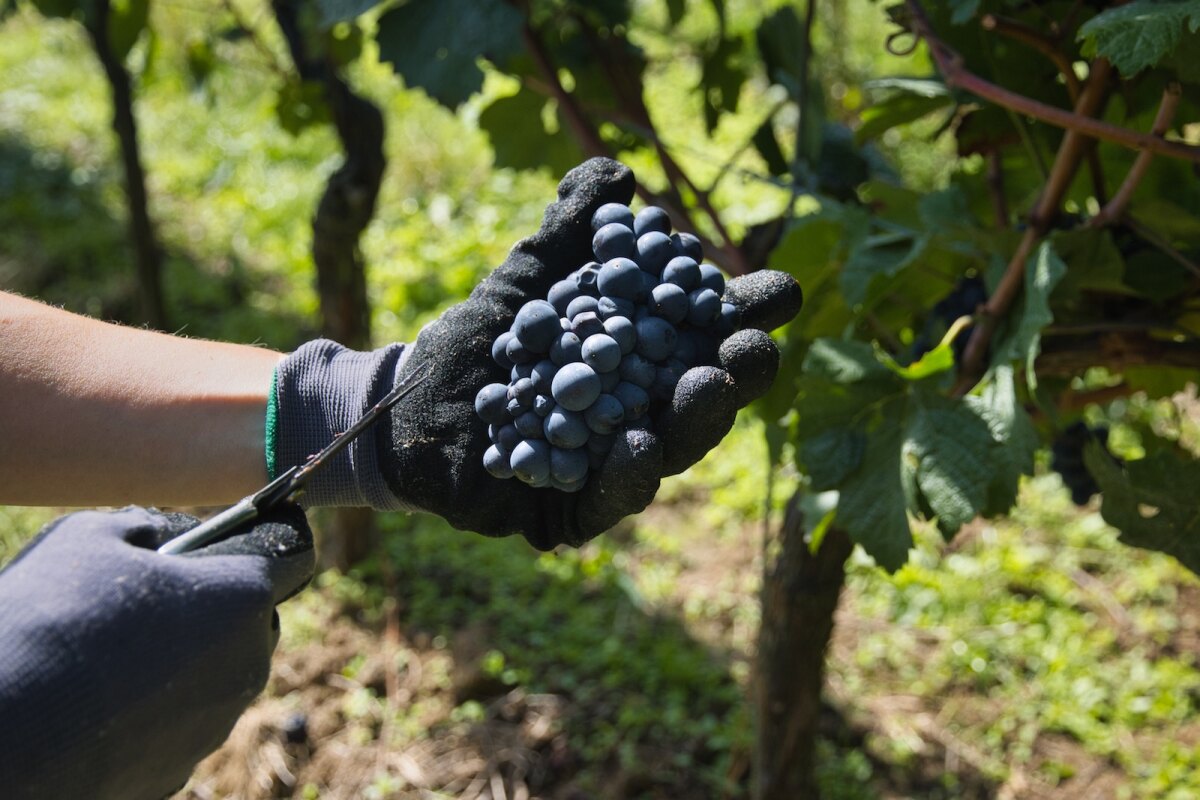
Determined to turn his interest into expertise, Jeroen began training as a winemaker in Belgium in 2013, followed by further studies in Germany. He also established an experimental vineyard of his own, where he tested different grape varieties to discover which were best suited to the Mergelland wine region of South Limburg.
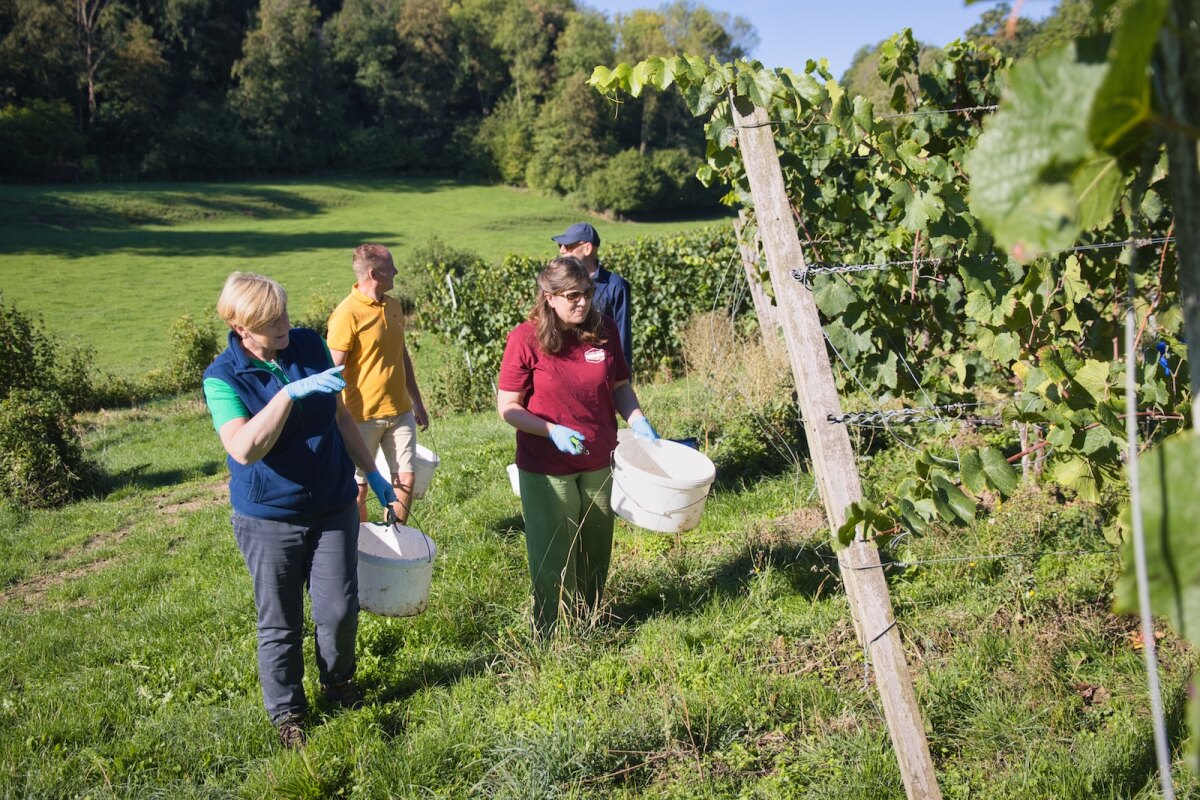
Taking over the vineyard in the middle of the growing season in 2017 meant there was little time to ease into his new role. At the time, the winery was based in a wing of Wijnandsrade Castle, a historic setting some distance from the vines at Stokhem. The site has a long history: a fortress stood here as far back as the Middle Ages, while the oldest wing of the present-day castle dates from the 16th century. It was certainly a remarkable place to make wine, even if travelling between the castle and the vineyard added another challenge to Jeroen’s first season as a winemaker.
Chardonnay and Pinot Noir from South-Limburg
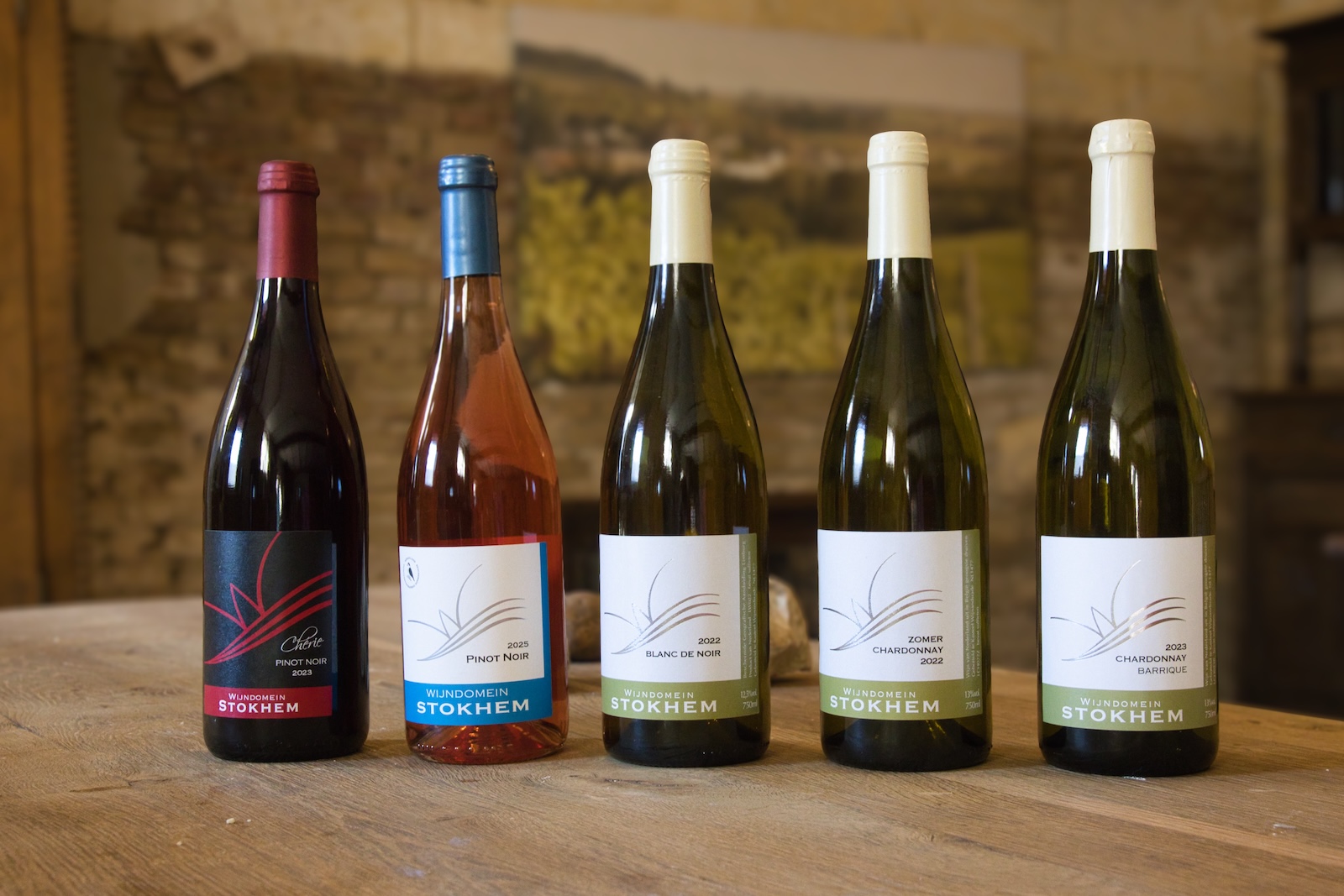
In 2022, Jeroen van der Eng expanded the vineyards by planting new Pinot Noir vines and adding Chardonnay for the first time. As the young Chardonnay vines needed several years to mature before producing their first harvest, Jeroen found another way to experiment with the grape variety. He sourced Chardonnay grapes from a Belgian winemaker whose vineyards grow on similar soils. The result was the Stokhem Summer Chardonnay 2022, made without oak ageing, followed in 2023 by a Chardonnay Barrique.
A new chapter began in 2025, when Jeroen and his wife, Helma, moved to Limburg after purchasing a historic square farmhouse dating from 1792. Located in the hamlet of IJzeren, in the municipality of Valkenburg, the farmhouse offers more than a spacious home: it also provides room for their own winery, bringing winemaking closer to the vineyards at Stokhem.
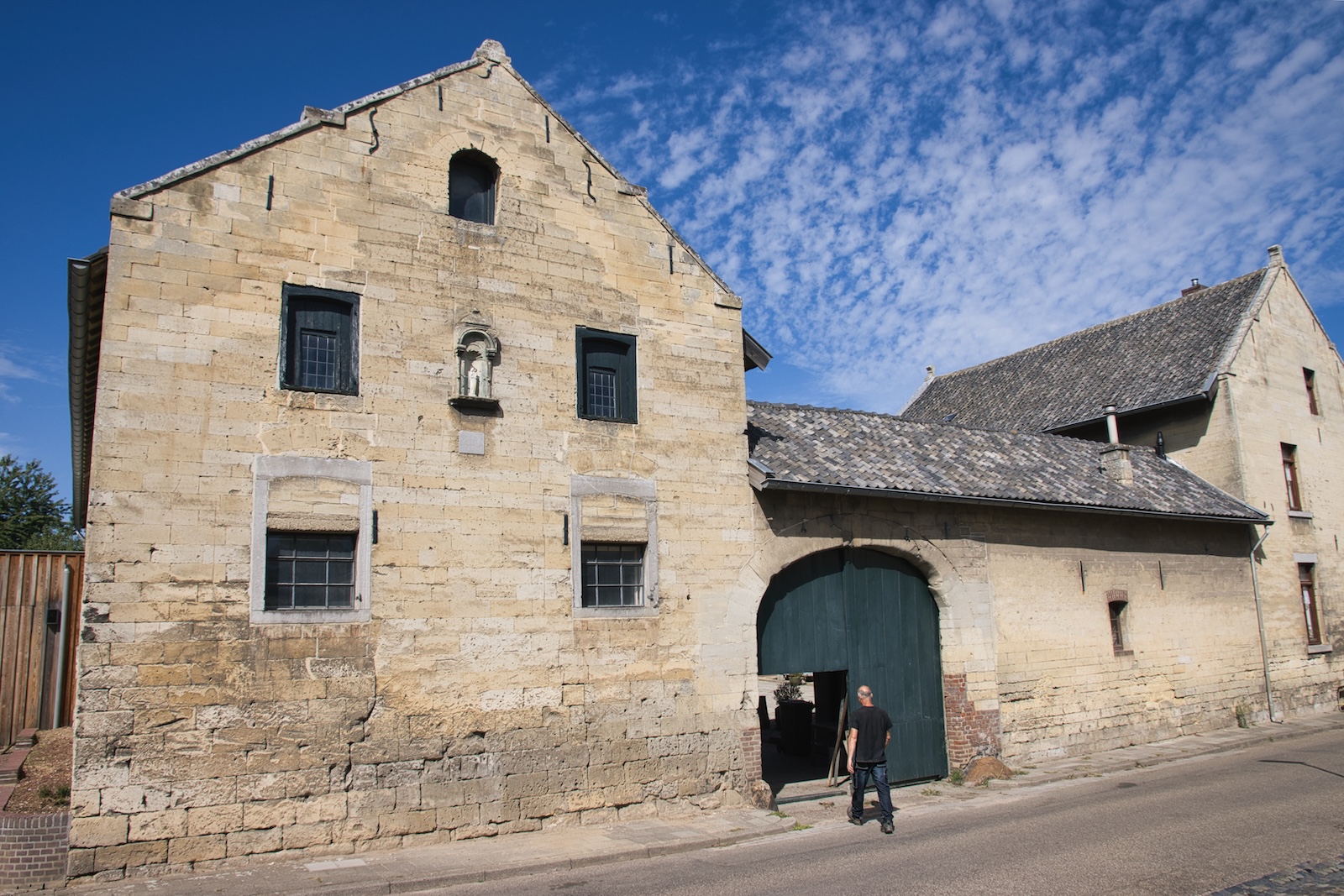
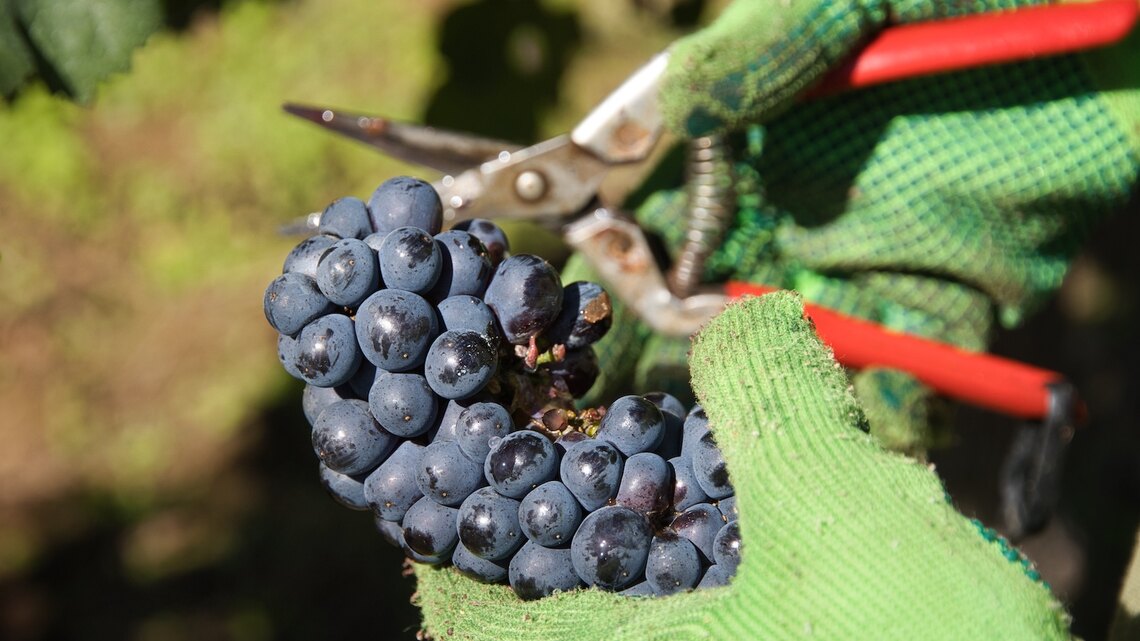
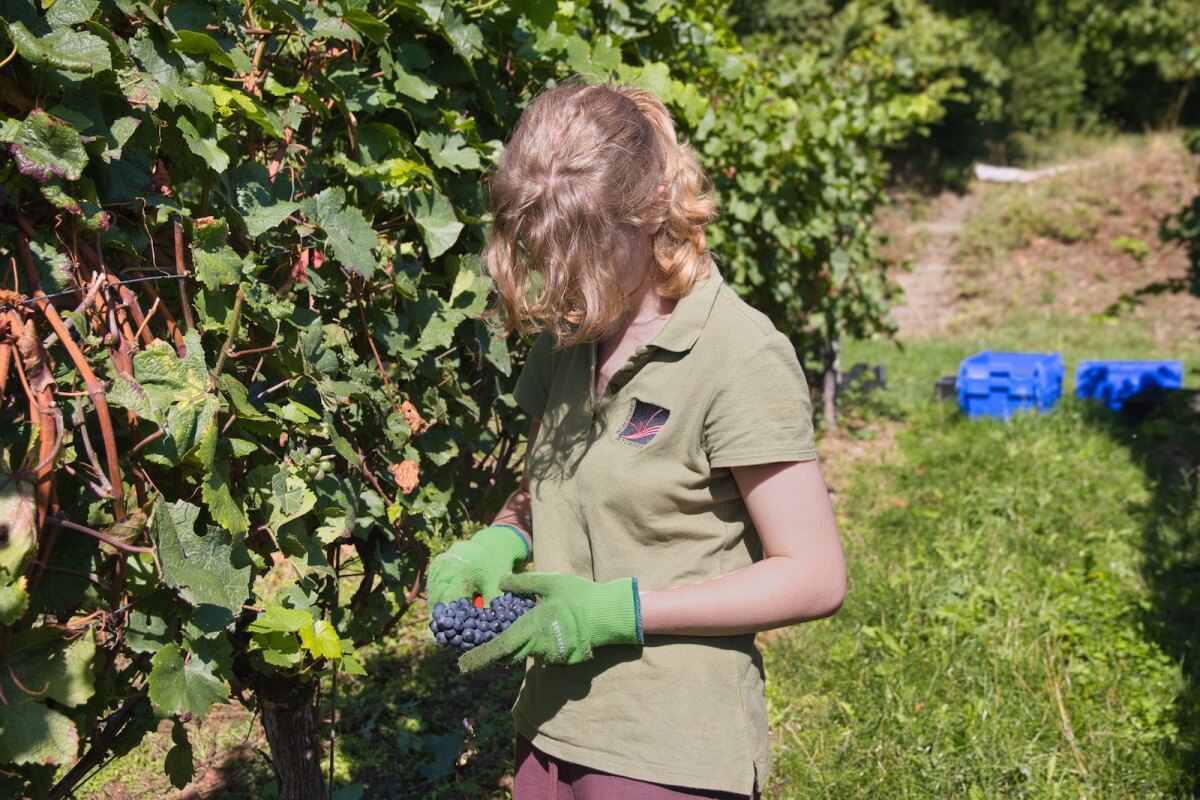
During our visit, we travelled from the vineyard along narrow, winding Limburg roads to the impressive farmhouse. There, we watched crates of freshly harvested Pinot Noir grapes disappear into the crusher-destemmer, the machine that separates the grapes from their stems before fermentation.
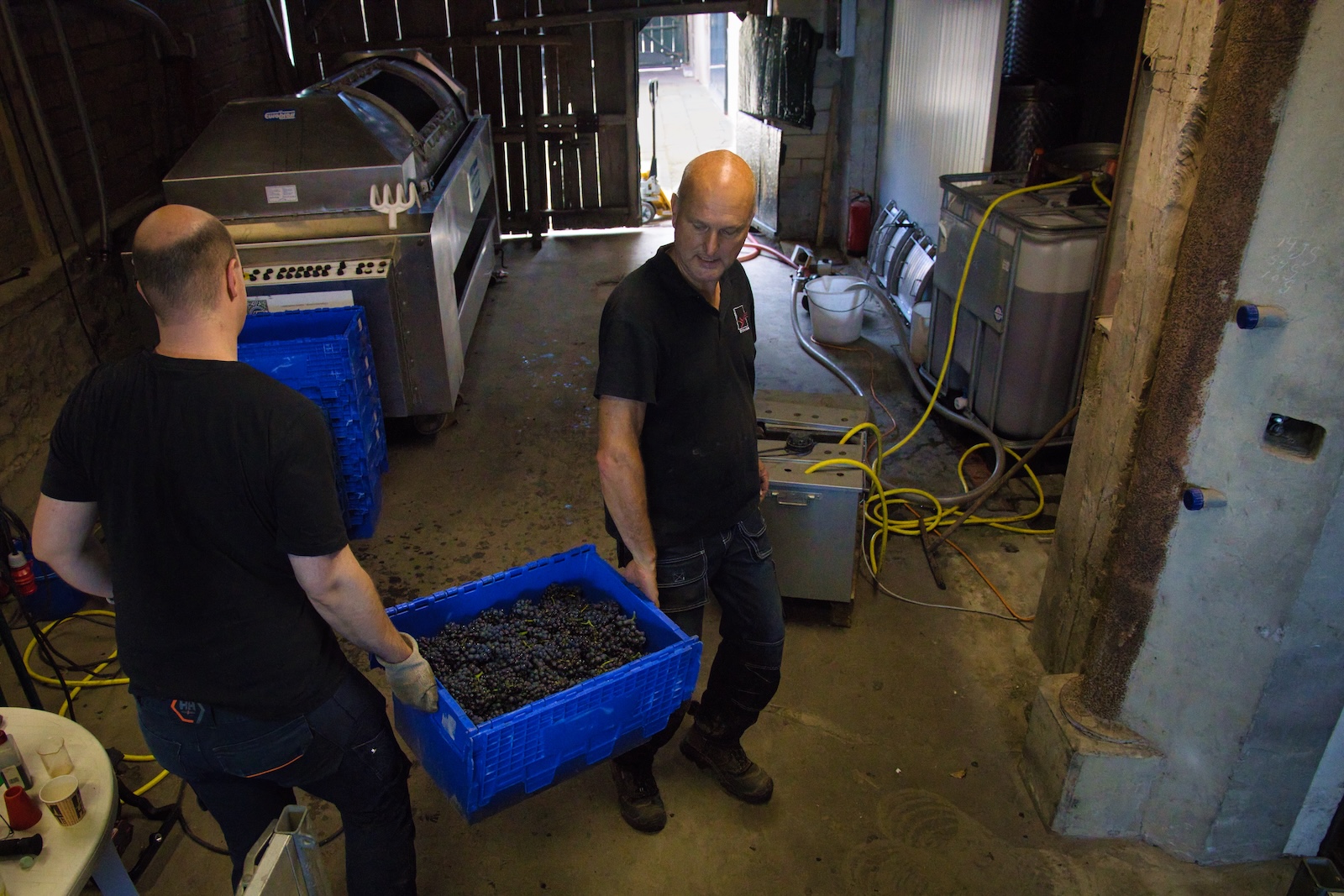
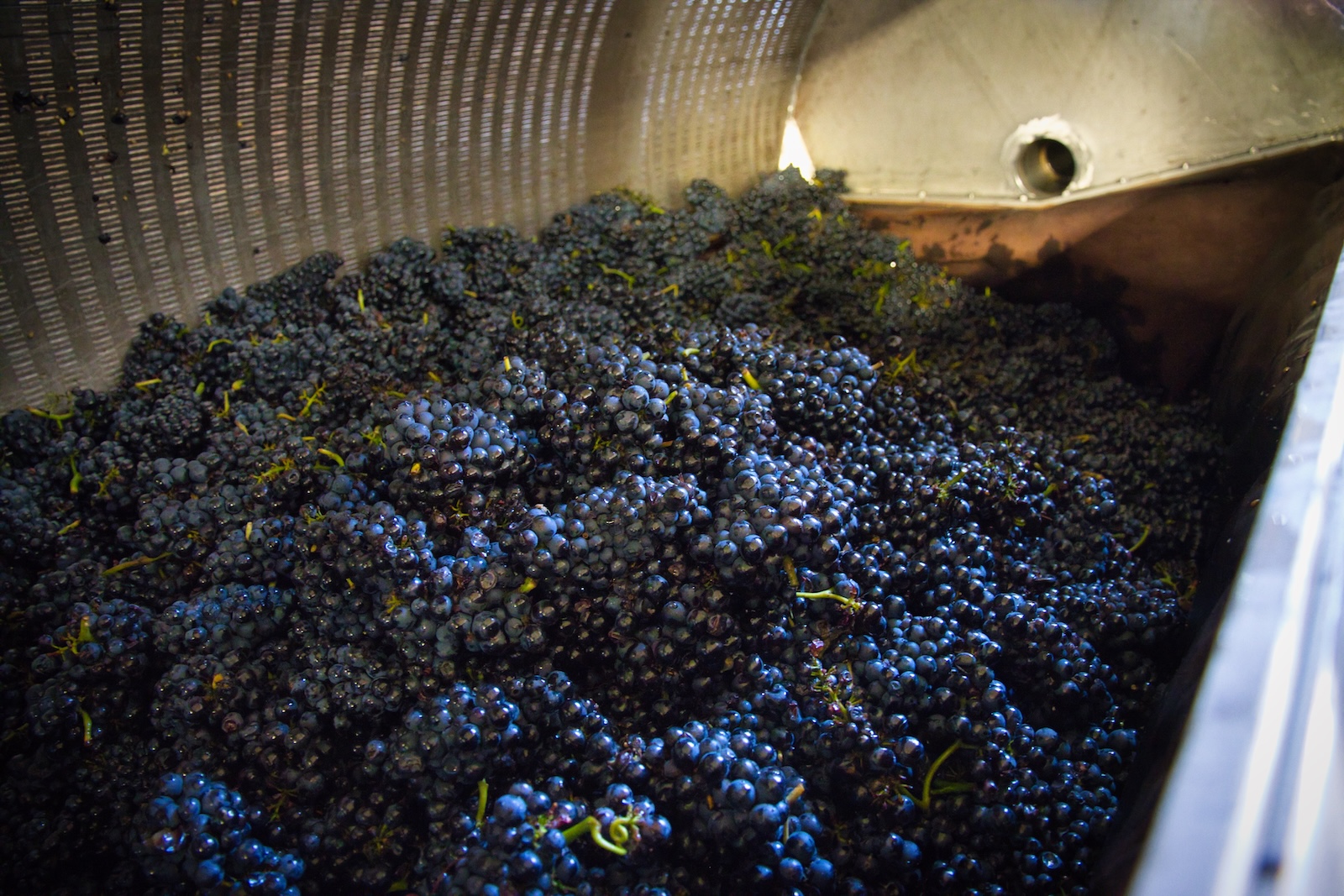
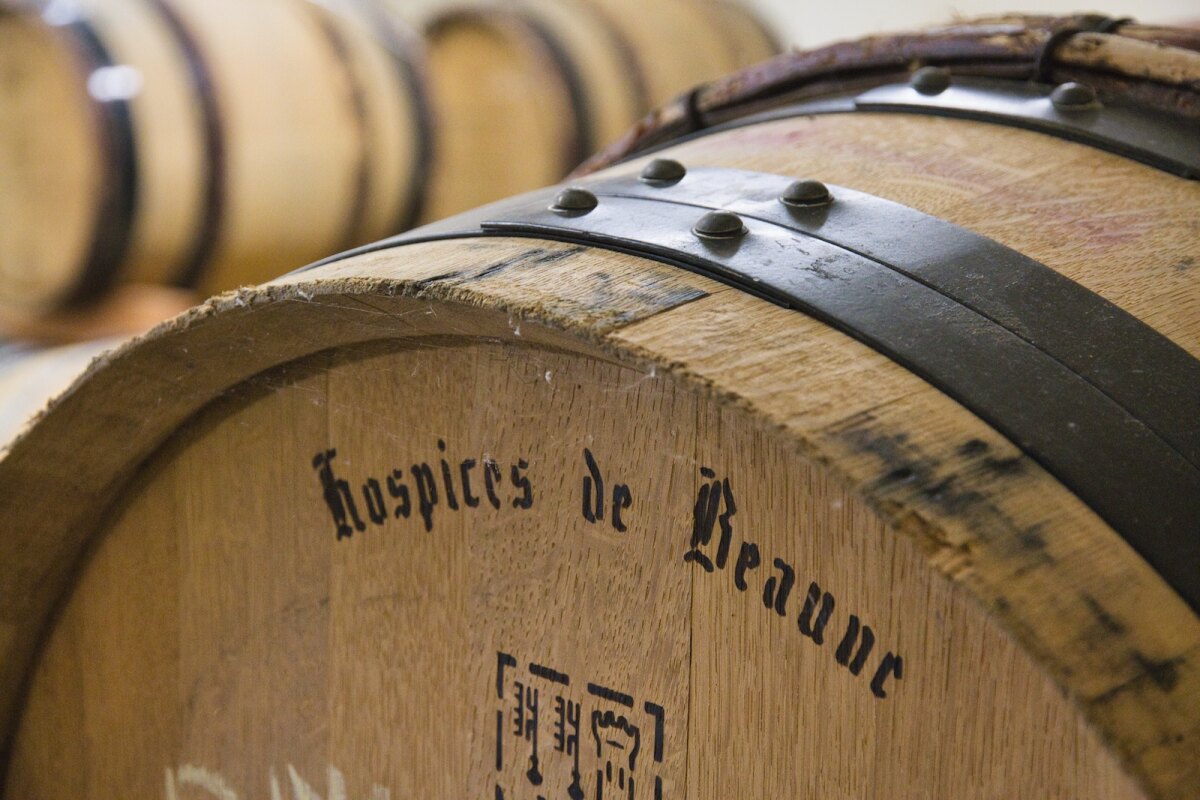
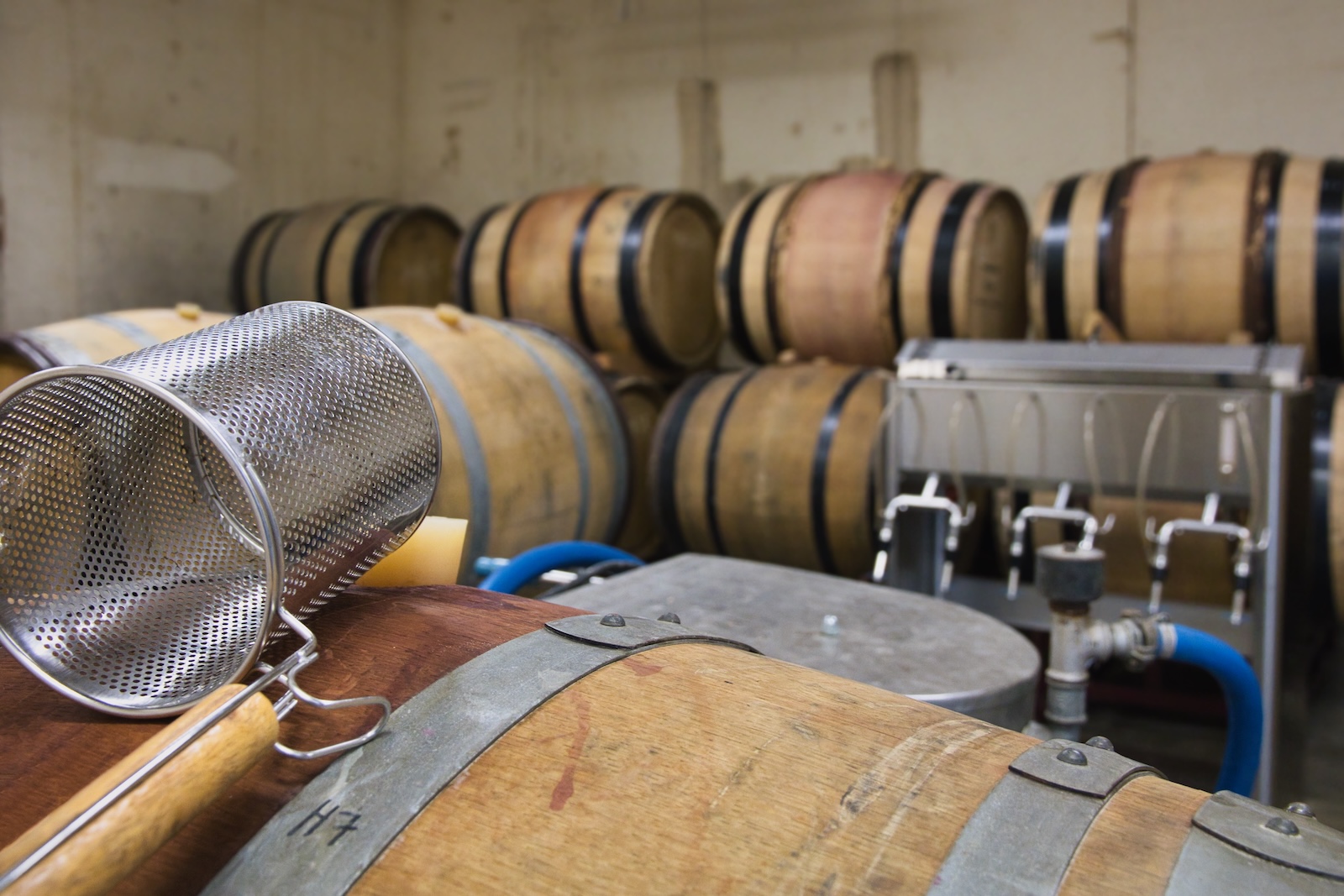
Jeroen also showed us around the wine cellar, where we caught a glimpse of the oak barrels in which future Stokhem wines are maturing. It was a lovely way to round off our visit and get a sense of what’s still to come.
Dutch Pinot Noir: From Mature Vines to French Oak Barrels
Alongside Chardonnay, Wijndomein Stokhem produces a Blanc de Noir from its own Pinot Noir grapes. Blanc de Noir is a white or very pale wine made from red grapes. By pressing the Pinot Noir grapes quickly and keeping skin contact to a minimum, Jeroen extracts very little colour from the skins. The result is a wine that is almost white, with a subtle hue that hints at its red-grape origins.
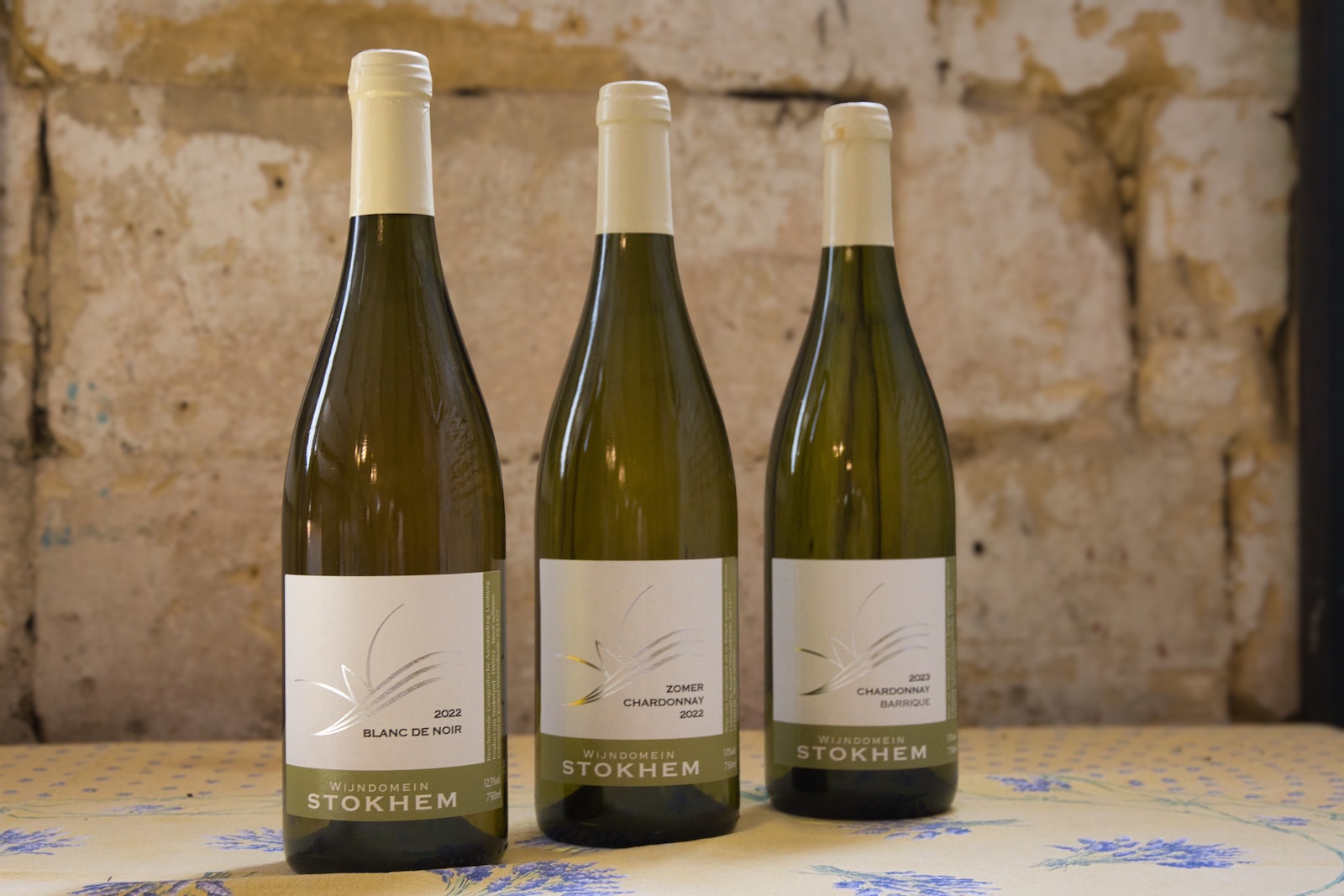
The estate’s red Pinot Noir wines have a longer history. Some of the vines were planted as early as 2004 by the previous owner, meaning the vineyard already had mature Pinot Noir vines when Jeroen took over in 2017. Wines made from these established vines offer something not yet widely encountered in the Netherlands: Pinot Noir from older Dutch vineyard plantings. The red wines are aged in French oak barrels for at least 18 months, while the 2020 Pinot Noir Reserva received an extended 24 months of barrel ageing.
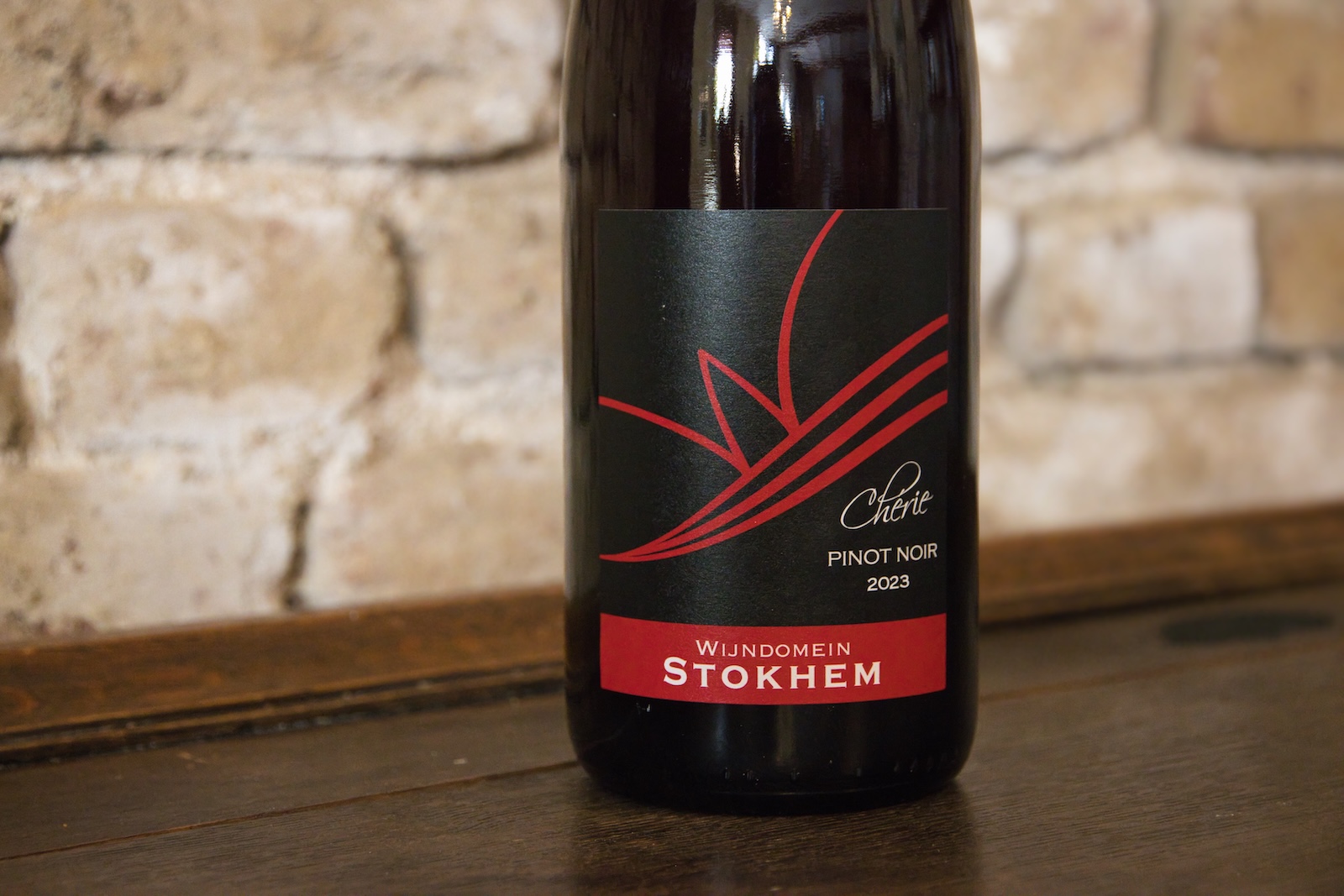
With Blanc de Noir and oak-aged red Pinot Noir already part of the range, Wijndomein Stokhem is exploring different expressions of this classic grape variety. And as the estate’s own Chardonnay vines mature, there is another development to look forward to: Chardonnay wines made from grapes grown on the Limburg estate itself.
Updated: 17-10-2026