Aan de Breede Beek Wine Estate in Nijkerk
The Netherlands
"I discovered it was possible to grow grapes in the Netherlands..."
Slichtenhorst: a historic estate in the heart of the Netherlands
One of the first vineyards we visited, and featured in a short video, was Aan de Breede Beek Wine Estate, a charming Dutch winery located on Slichtenhorst Estate. This historic 350-hectare estate lies in the municipality of Nijkerk, just a short drive from Amersfoort.

The area is rich in history. Nijkerk, which received its city rights in 1413, became a flourishing trading town in the 18th century. The Slichtenhorst Estate, as it exists today, dates back to the 19th century. Its roots stretch much further though, all the way to the 9th century, when it belonged to a Franciscan monastery in Paderborn, Germany.
Becoming a winemaker
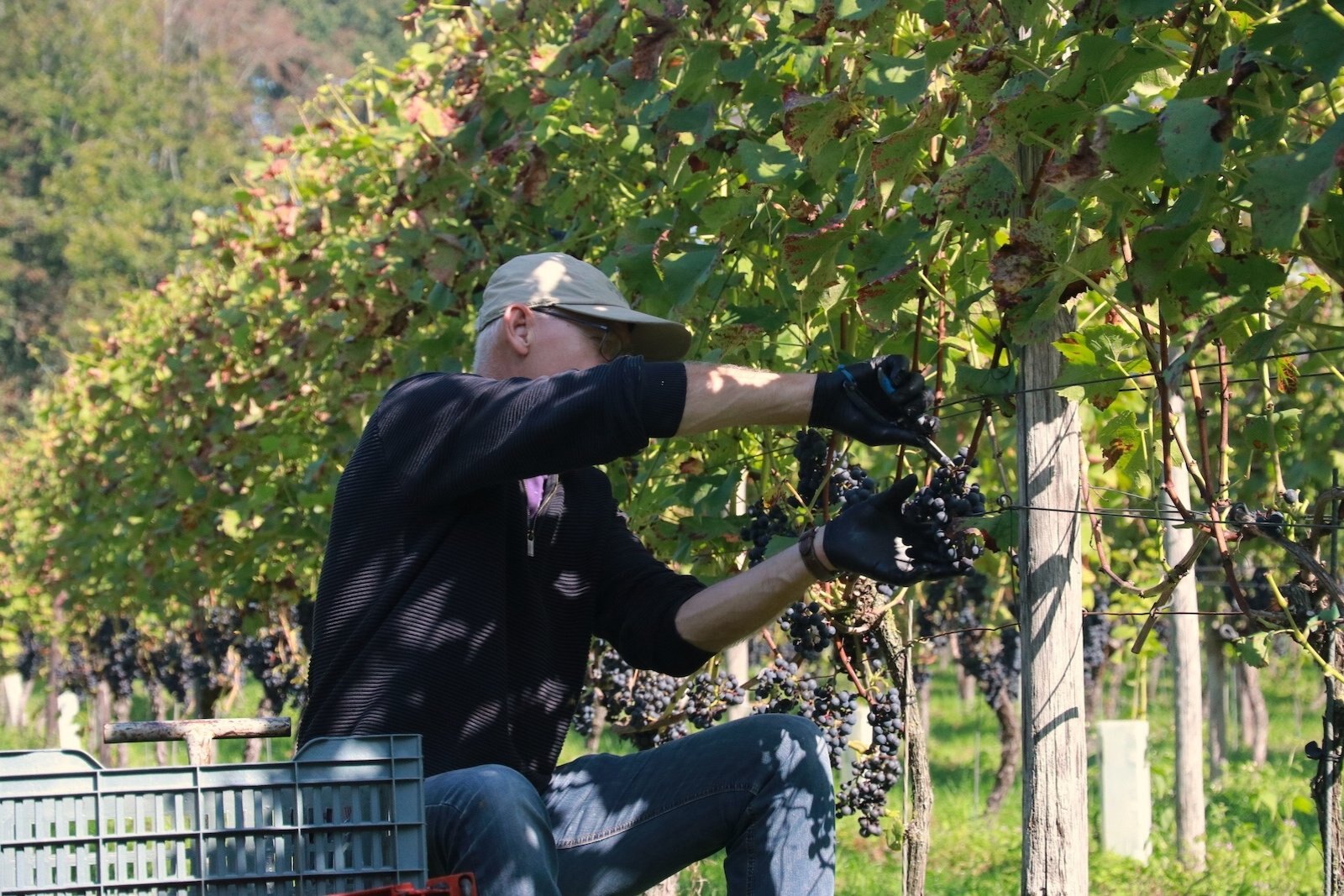
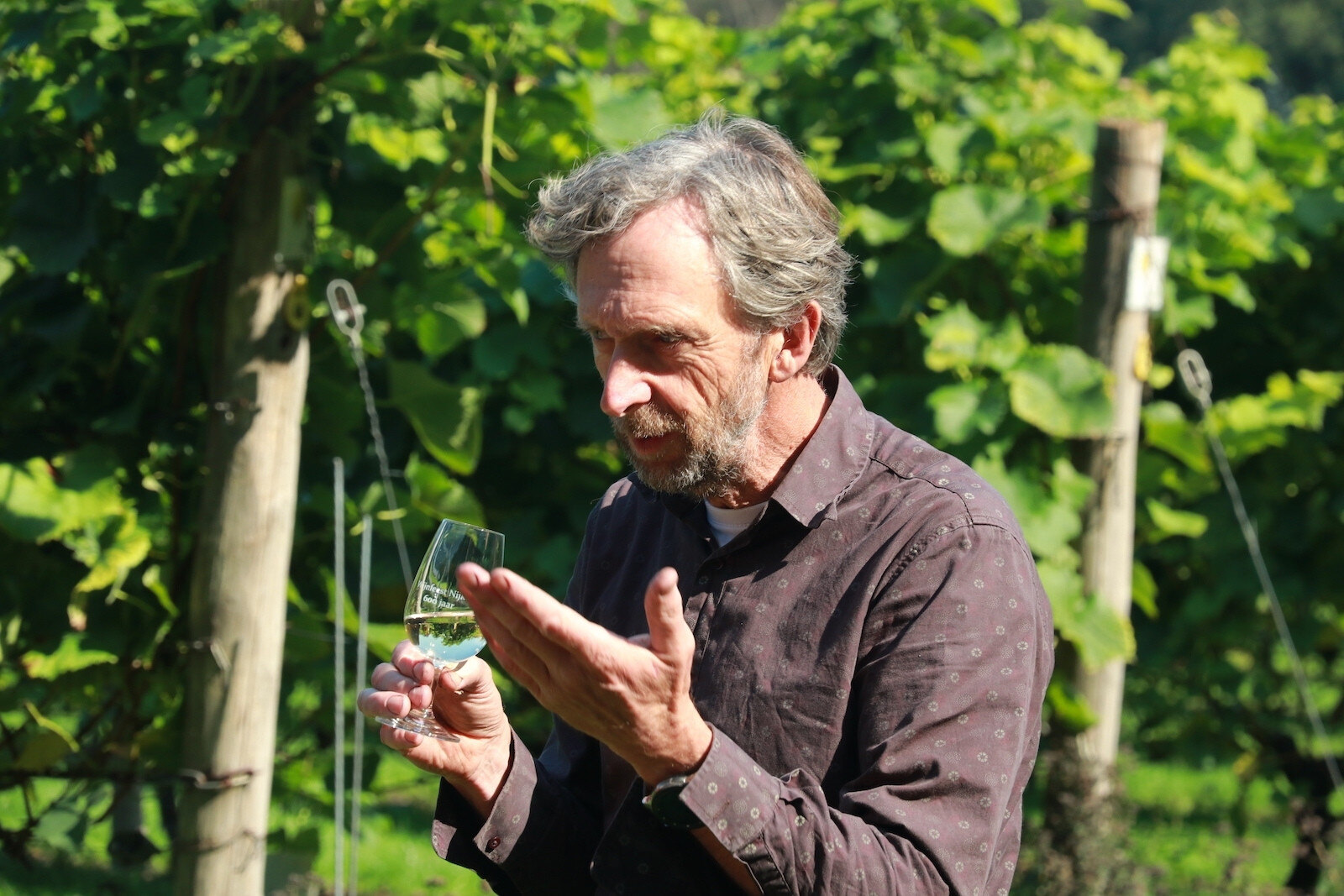
For Henk Breugem, owner of Aan de Breede Beek Wine Estate, the path to becoming a winegrower was anything but conventional. Although he grew up as the son of a horticulturist, Henk spent twenty years working in mental health care before returning to his agricultural roots.
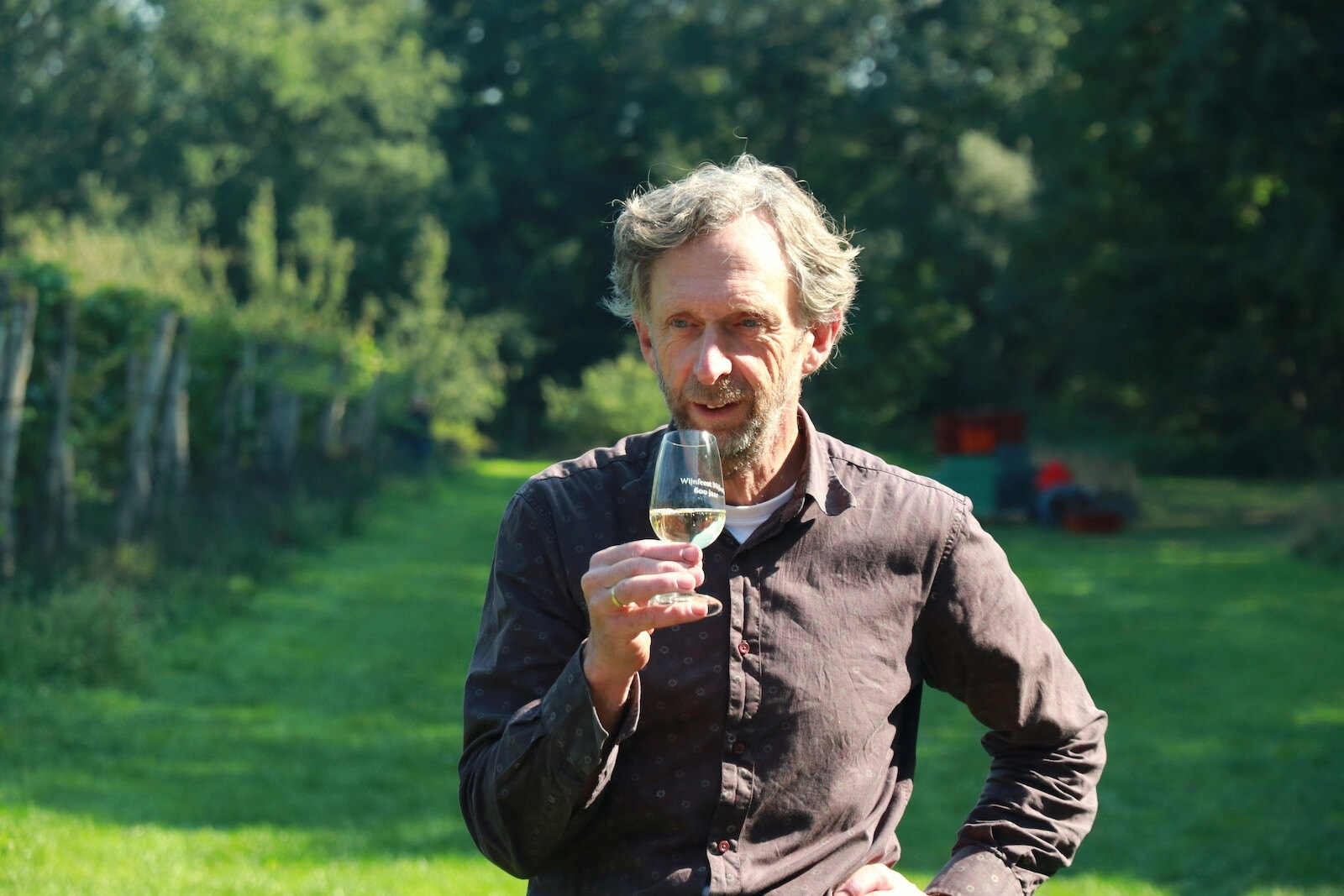
In 2003, he planted his first hectare of vines, followed by a second in 2010. What began as a new challenge soon grew into a passion for working with nature. Rather than choosing large-scale, industrial farming, Henk focused on traditional, sustainable agriculture, a philosophy that continues to guide his work today.
At Aan de Breede Beek Wine Estate, the vineyard is managed with care for healthy soil and biodiversity. Only organic fertilizers are used, with no synthetic alternatives. The goal is to restore and strengthen natural resources, not deplete them. These principles of regenerative agriculture form the foundation of the wine estate.

Modern grape varieties in Dutch viticulture
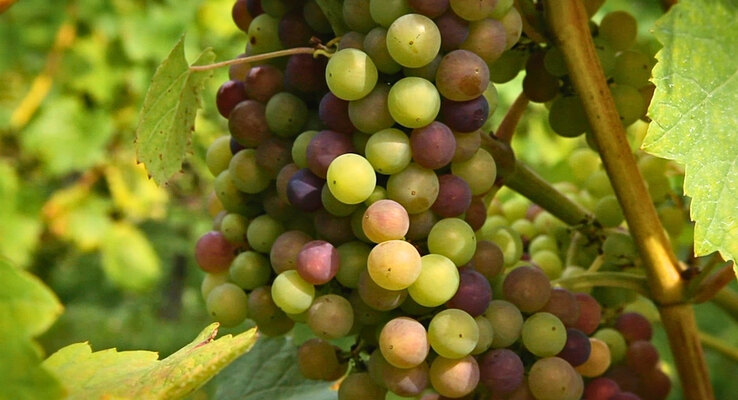
At Aan de Breede Beek Wine Estate, the vineyard is planted with a selection of hybrid grape varieties, also known as Modern Varieties, developed at the Geisenheim University of Applied Sciences in Germany. These innovative grapes are naturally more resistant to mildew, making it possible to cultivate vines sustainably in the Dutch climate.
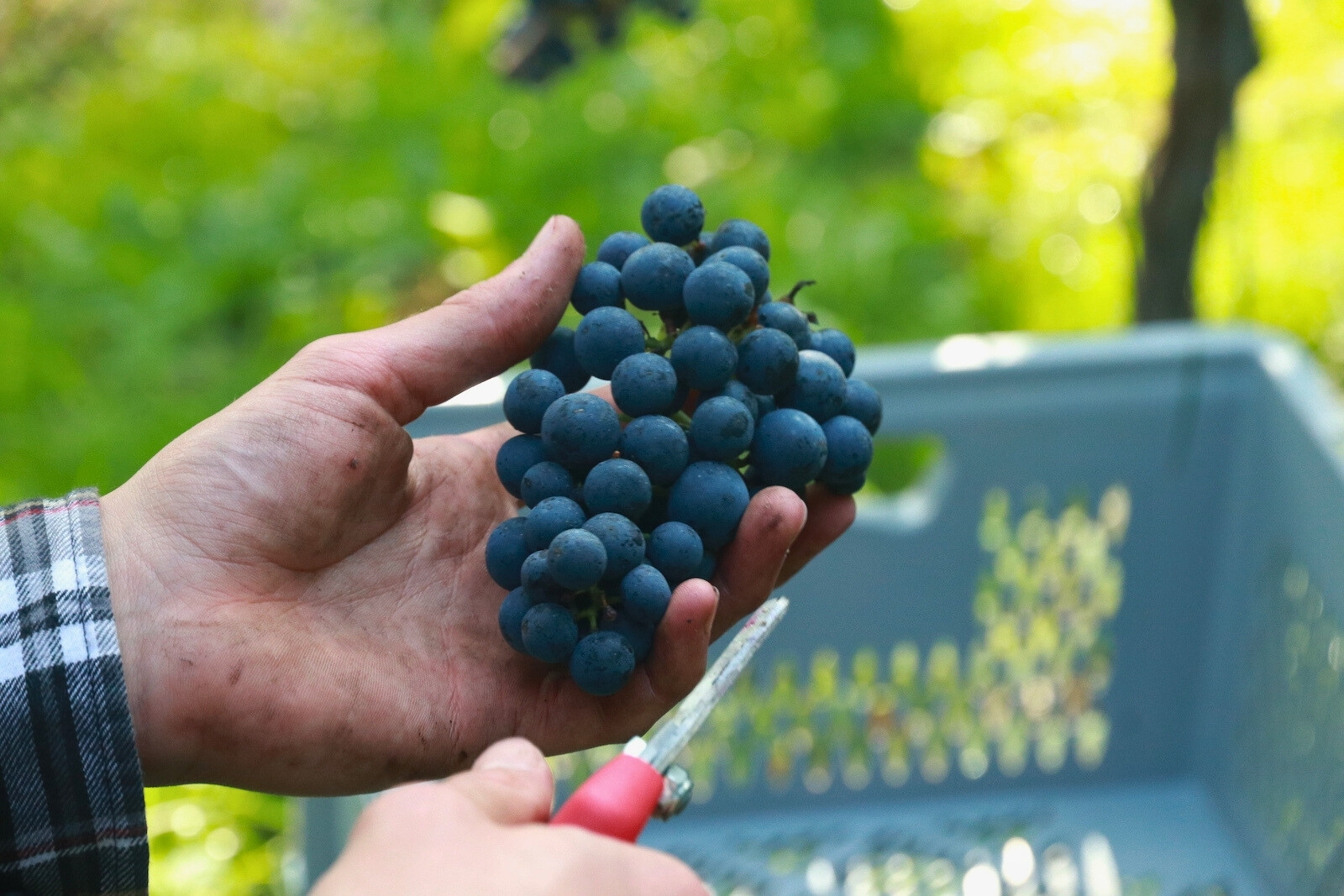
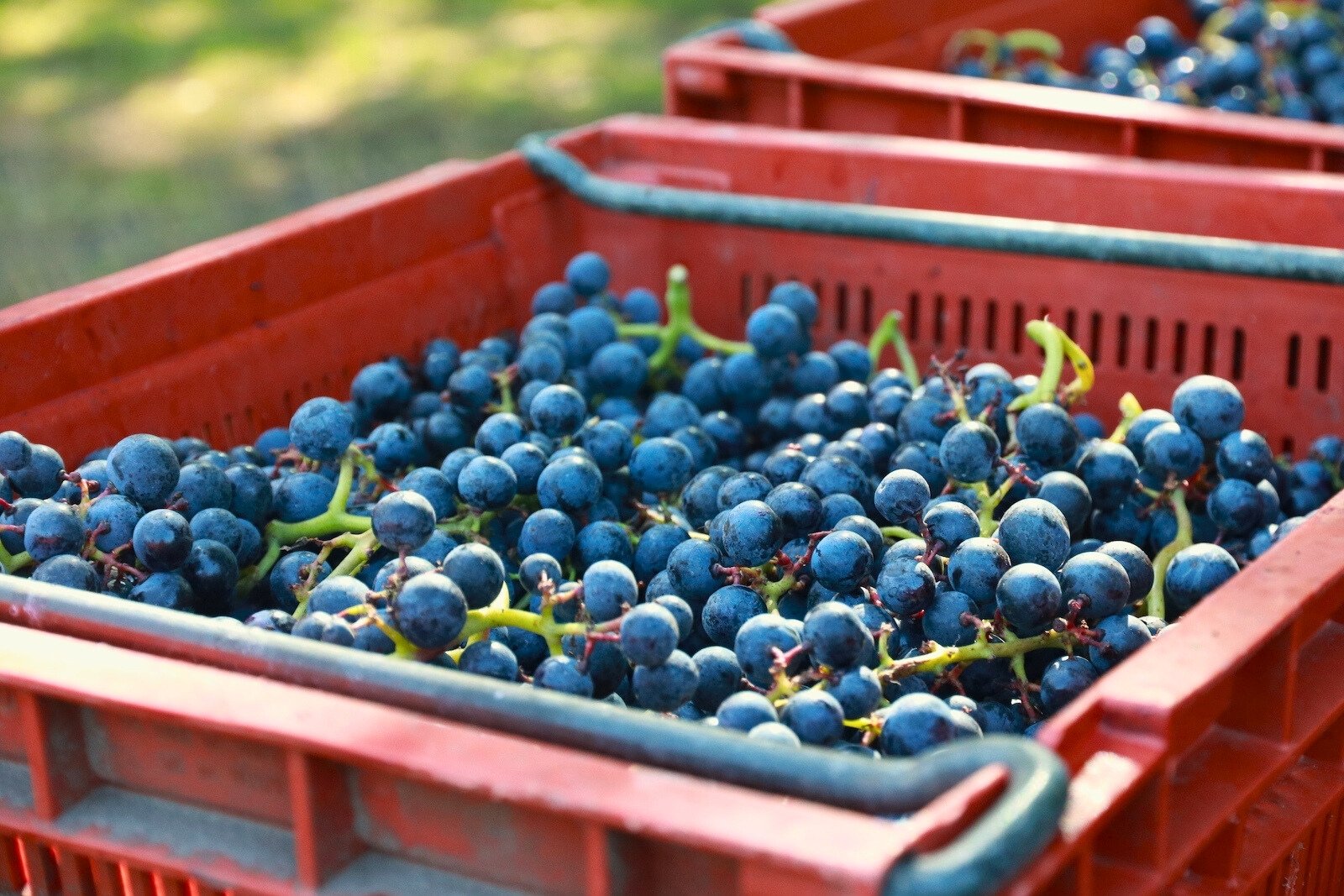
For red wines, the vineyard grows Regent and Cabernet Cortis, both known for their rich color and smooth structure. The white wines are crafted from Johanniter, Solaris, and Muscaris, aromatic varieties that thrive in cooler northern regions.
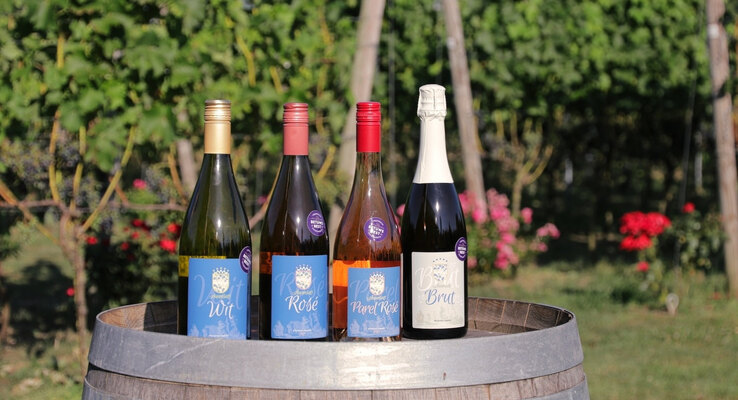
In addition to still wines, Aan de Breede Beek also produces two sparkling wines: the Secco, made from Muscaris, and the Brut, a Méthode Traditionnelle sparkling wine from Johanniter grapes.
The vineyard’s creativity extends beyond wine. In collaboration with Distillery De Hemel in Nijmegen, they craft two Grappa-style spirits: GRPA Caberneto and Blanca. The range also includes a coffee liqueur and a genuine Italian Limoncello, made with organically grown lemons imported directly from Italy. Cin cin!
Vineyard tours and viticulture courses
Visitors can do more than just taste wine at Aan de Breede Beek Wine Estate, they can also learn the art of viticulture. For those interested in growing grapes or expanding their knowledge, the vineyard offers specialized courses in soft pruning, a sustainable technique that minimizes large pruning wounds and helps vines stay healthy in a natural way. This approach aligns perfectly with the principles of regenerative viticulture practiced at the estate.
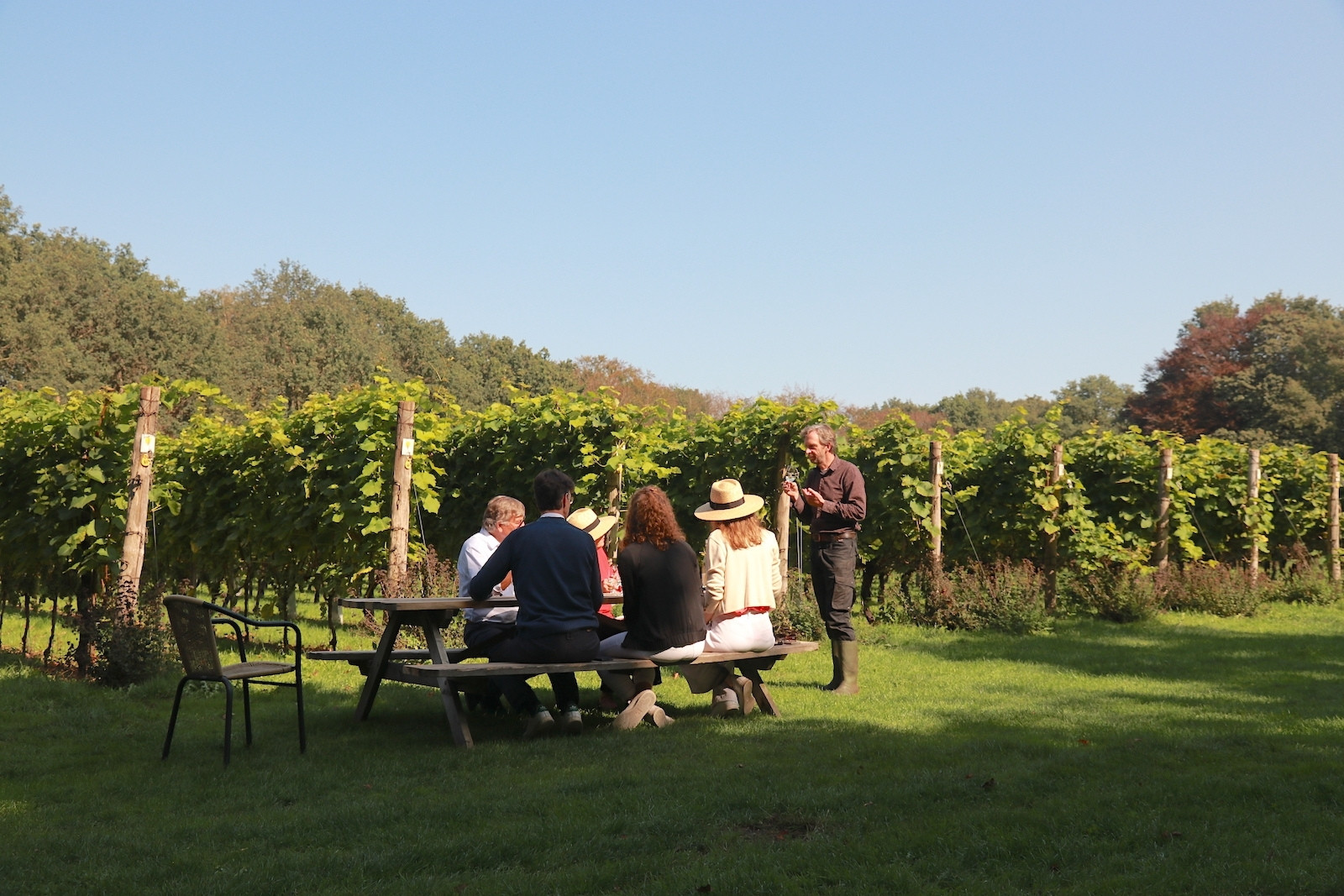
You’re welcome to visit the vineyard for a guided tour and wine tasting, where you can sample a selection of the estate’s Dutch wines. To ensure availability, it’s recommended to contact the estate in advance or book directly through the website, where you’ll also find more information about available packages and contact details.
Make the most of your visit by combining the experience with a walk or cycling tour through the scenic Slichtenhorst Estate. Several bike rental options are available in nearby Nijkerk, making it easy to explore the beautiful landscape surrounding the vineyard.
Updated: 17-10-2026